
.JPG)
Discover Chitwan National Park
Our back garden, more or less. A wild stretch of jungle, river, and grassland just beyond the lodge gates — home to rhinos, tigers, gharials, and the odd elephant passing through. Step out, breathe in, and let the forest do the rest. Wander into Chitwan →
A Wild Stretch, Just Beyond the Gate
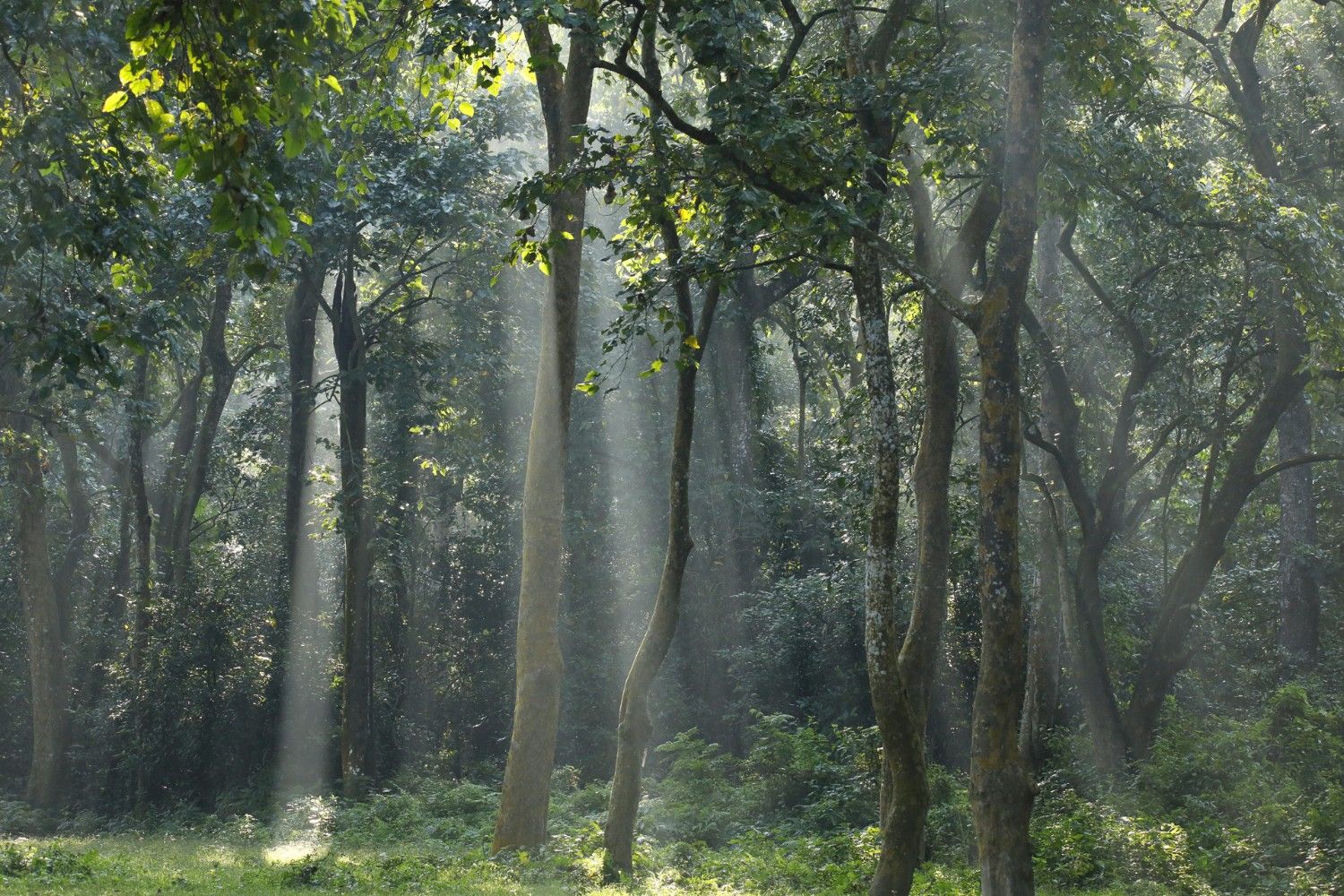
Step out of the lodge, follow the path past the lemon trees, and the jungle starts almost before you've finished your coffee. Chitwan isn't a place you have to travel to — it's the view from the veranda, the sound waking you at five, the cool breath of the river drifting in after dark. Most guests come for the wildlife. They tend to leave talking about the quiet.
Where You Are, Really
Chitwan sits in the subtropical lowlands of southern Nepal, in a flat green region called the Terai. It was made Nepal's first national park back in 1973, and UNESCO added it to the World Heritage list a few years later — though it wears the title quietly. Think rivers that change their mind with the seasons, sal forests, tall elephant grass, and a sky big enough to remind you how small the rest of it is.
It's about 950 square kilometres of protected wilderness, all told. You'll only meet a sliver of it on any given day, which is rather the point.
Who Lives Here
The cast list is long, but here are the headliners.
The greater one-horned rhino. Heavy, prehistoric, surprisingly graceful, and the reason a lot of people come in the first place. Chitwan is one of the best places in the world to see one in the wild — usually grazing in the grasslands at dawn, looking entirely unbothered by your presence.
The Bengal tiger. Quietly here, mostly unseen, and content to stay that way. Spotting one is rare, but finding fresh prints in the morning dust is its own small thrill.
Sloth bears, leopards, gaur, deer of four or five different stripes, langurs in the canopy, and gharials in the shallows. The gharials — long-snouted, fish-eating crocodiles — are critically endangered, and Chitwan has one of the last serious populations left.
And then the birds. Over five hundred species, from kingfishers to hornbills to the odd paradise flycatcher trailing its ribbons through the trees. You'll hear them long before you see them.
Ways to Wander
There's no one right way to meet Chitwan, so we don't pretend there is.
On foot, with a local naturalist who knows these forests the way most of us know our own street. Small groups, slow pace, eyes and ears open.
By jeep, for the wider grasslands and a better chance of spotting the bigger characters in the early hours.
By canoe, drifting down the Rapti at sunrise, watching the gharials sun themselves and the mist lift off the water.
By bicycle, for the quieter buffer-zone routes — villages, paddy fields, and a fair few peacocks for company.
We don't do elephant rides. Never have, never will. Just small groups, local guides, fair wages, and a light footprint left behind — the wild, on its own terms.
Group & Joining Tours
Chitwan isn't only a wildlife story. The Tharu — the indigenous community of the Terai — have lived alongside this land for centuries, long before any of it was called a park. Their stilt houses, their rice fields, their stick dances, their quiet way with the forest: all of it is woven into how this region feels today.
A lot of the guides, cooks, and craftswomen at the lodge are from the village just up the road. Spend an afternoon with them and Chitwan stops being a destination and starts feeling like somewhere you've been let into.
When to Come
October to March is the easy answer. Cool, dry mornings, clear afternoons, and the grass cut short enough that wildlife is far easier to spot. December and January bring proper river mist — well worth getting out of bed for.
April and May are warmer and quieter. The leaves thin out, the animals come closer to the water, and tiger sightings, while still rare, happen a touch more often.
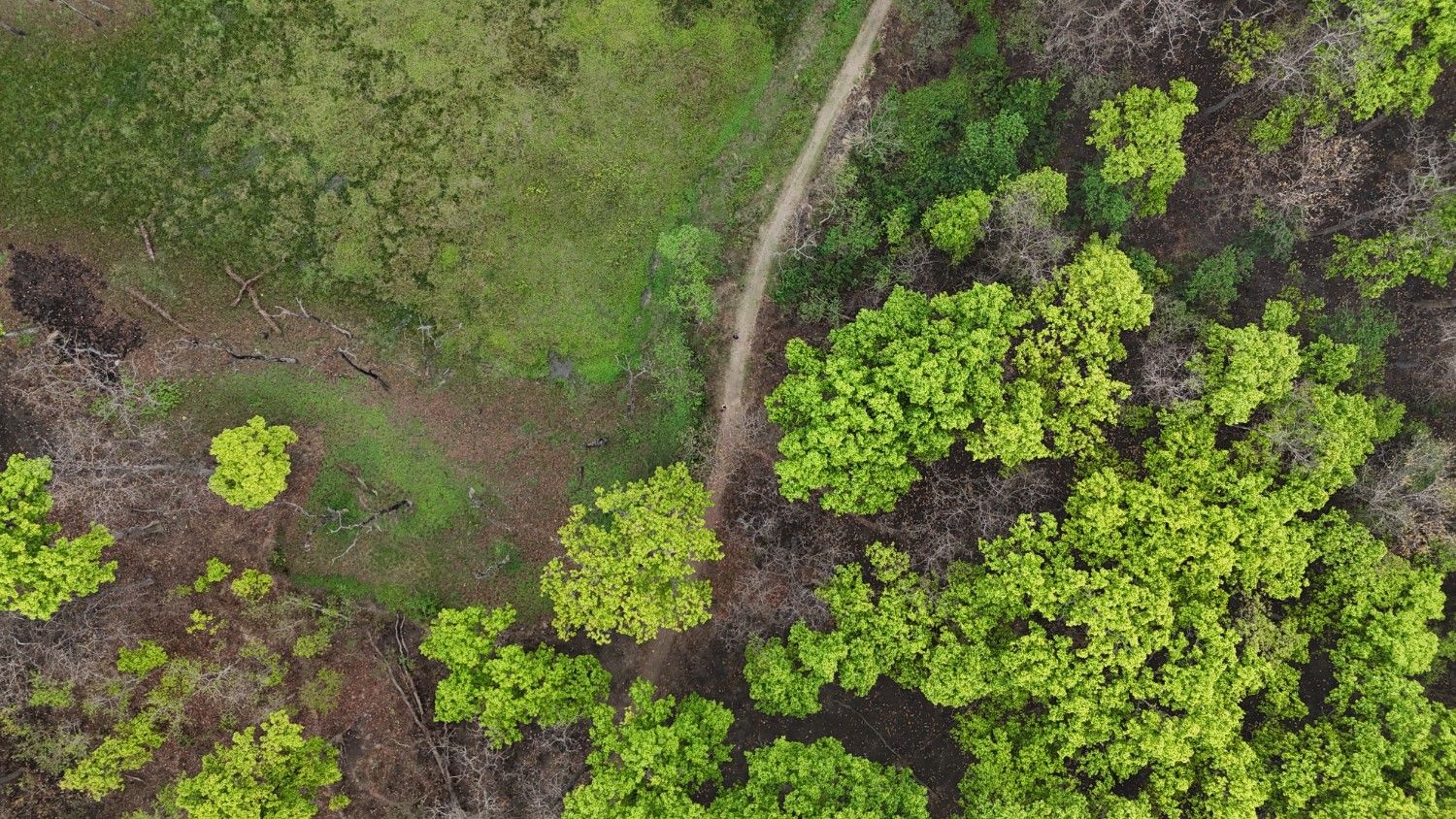
June to September is monsoon. The jungle goes a deep, ridiculous green, the rivers swell, and the world slows down. Some trails close, but for the right kind of traveller, this is Chitwan at its most beautiful and least busy.
Good to Know
-
Distance from the lodge: The park gate is a short walk from the front door.
- Park entry: A small daily fee, paid at the entrance. We can sort it for you when you book a tour.
- What to bring: Long sleeves, neutral colours, a hat, sturdy shoes, binoculars if you've got them, and a bit of patience.
- Best time of day: Early morning and late afternoon — for the wildlife, and for the light.
Come Find Your Corner of It
Chitwan rewards people who slow down. Pick a walk, a paddle, or a long quiet morning on the veranda — or string a few of them together — and let the forest do the rest.
Browse our tours →